
After years working alongside and referring to dentists in Lincoln Park, I’ve come to appreciate how different this neighborhood feels from other parts of Chicago. I’m a licensed Illinois dentist with more than a decade in practice, and Lincoln Park patients tend to be engaged, informed, and deeply invested in long-term health—not just quick fixes. That combination shapes how dentistry actually works here.
Early in my career, I assumed good clinical work would speak for itself. Lincoln Park taught me that communication and consistency matter just as much.
What Lincoln Park patients expect—and why that matters
I still remember a patient who came in after moving from another neighborhood. She wasn’t unhappy with her previous care, but she wanted more explanation. She asked thoughtful questions about why a tooth was being monitored instead of treated and wanted to understand how today’s decision would affect her ten years from now.
That conversation stuck with me. In Lincoln Park, patients don’t want dentistry done to them; they want it done with them. When you meet that expectation, trust builds quickly.
Neighborhood rhythms show up in dental chairs
Lincoln Park has a mix of families, professionals, and long-term residents, and you see that variety clinically. Parents often bring children in early, which makes preventive care more effective. At the same time, busy professionals try to squeeze appointments between work and family commitments.
I’ve treated parents who delayed their own care while staying on top of their kids’ visits. More than once, I’ve had to point out that jaw pain or enamel wear didn’t come out of nowhere—it built quietly over years of stress and skipped appointments.
Experience teaches you when to slow down
One case that shaped my approach involved a patient advised elsewhere to replace several old restorations immediately. After reviewing her records and examining wear patterns, I recommended restoring one tooth and monitoring the rest.
A few years later, most of those teeth are still stable. That outcome didn’t come from technology or speed—it came from patience. Knowing when not to intervene is a skill that only develops after watching long-term results.
Common mistakes I see in this area
One recurring issue is assuming that discomfort must equal urgency, or that lack of pain means everything is fine. Teeth are deceptive that way. I’ve seen early fractures that felt insignificant turn into major problems simply because they were ignored too long.
Another mistake is switching providers frequently. Lincoln Park offers many options, but dentistry benefits from continuity. When a dentist knows your history—what’s been treated, what’s been watched, what didn’t respond well—decisions become more precise and less reactive.
What separates good care from lasting care
From the inside, the dentists I respect most in Lincoln Park document carefully, explain their reasoning, and stay consistent year after year. They’re comfortable saying “let’s wait” when waiting makes sense and just as comfortable being direct when it doesn’t.
Patients notice that steadiness. It’s reassuring, especially for families planning to stay in the neighborhood long-term.
A perspective shaped by years of practice
Dentistry in Lincoln Park isn’t about rushing or volume. It’s about thoughtful decisions that hold up over time. The work that lasts usually comes from restraint, clear communication, and respect for how people actually live.
After years of practicing, correcting rushed work, and watching conservative plans succeed, I’ve learned that good dentistry here feels calm and deliberate. That calm is what keeps patients coming back, year after year.
After many years working as a physio in Brisbane, I’ve learned that no two patients recover in the same way, and no amount of textbook knowledge can replace what you witness firsthand in people’s homes, workplaces, and day-to-day environments. Brisbane’s climate, culture, and active lifestyle all influence how people move—and sometimes how they avoid moving—which has shaped the way I approach treatment far beyond the clinic walls.
The Early Encounters That Changed How I Practise
One of my first Brisbane patients was a middle-aged man rebuilding strength after a prolonged hospital stay. In the clinic he hesitated with every step, his confidence clearly shaken. But when I visited him at home for the first time, I noticed something different: he walked faster toward his back patio than he ever did on our parallel bars. That moment taught me just how powerful familiarity is in rehabilitation. His body wasn’t the limiting factor—his environment was.
Another patient, a young woman recovering from a spinal injury, struggled with balance exercises during our initial sessions. She was frustrated, convinced she simply wasn’t improving. When I saw her at home, the issue became obvious. Her living room rug shifted under her feet every time she practiced. We replaced it with a firmer mat, and within days her progress accelerated. These small details aren’t visible in a clinic, but they change everything in real life.
How Brisbane’s Environment Influences Physiotherapy
Brisbane’s humidity can be unforgiving for patients with neurological conditions. I’ve seen people whose mobility depends heavily on temperature—on hot days their fatigue increases, their gait changes, and tasks that were easy the week before suddenly feel impossible. Helping patients plan activity around weather became just as important as teaching exercises.
The city’s active culture also shapes expectations. I’ve worked with retirees who refuse to believe they need mobility aids because they’ve always prided themselves on independence, and office workers who ignore pain until it becomes chronic because they think sitting all day can’t possibly cause real harm. Experience has taught me to challenge these assumptions gently but firmly.
The Most Common Mistakes I See—And What They Reveal
One of the biggest issues is people comparing themselves to their “old normal.” It’s something I hear constantly:
“I used to run five kilometres without thinking.”
“I used to lift groceries easily.”
“I used to hop out of the car quickly.”
Recovery becomes much smoother once patients stop fighting who they currently are and start working with the abilities they have. A patient last spring finally made a breakthrough with transfers once he stopped trying to recreate the exact movement pattern he used before his injury. We worked together to find a new strategy that suited his body now, and he progressed faster than he expected.
Another mistake is families helping too much. I often arrive to find carers performing half the movement before the patient even tries. It comes from love, not impatience, but it slows recovery. Once families learn to step back safely and let effort happen, improvements often appear within a session or two.
Why Real Rehabilitation Happens Beyond the Clinic
I’ve come to believe that meaningful progress requires seeing patients in their real environments. A clinic can teach fundamentals, but home reveals the truth:
The narrow hallway someone can’t navigate.
The uneven step that causes a stumble.
The favourite chair that’s too soft to stand up from.
The kitchen bench height that changes posture and balance.
I once worked with a man who told me he could no longer cook. He assumed it was a strength issue. At home I realised the problem was his kitchen layout—every tool he relied on was stored too low. We reorganised his space, adjusted his stance, and practiced short tasks. Within weeks he was preparing meals again, something he thought he’d lost forever.
What Years in This Profession Have Taught Me
Physiotherapy is less about perfect technique and more about understanding the real barriers that hold people back. Sometimes those barriers are physical, sometimes emotional, and sometimes they’re pieces of furniture no clinic could ever replicate.
Working across Brisbane has shown me how resilient people can be when therapy meets them where they actually live. I’ve seen confidence return in small, steady steps—through the first independent stand, the first walk to the letterbox, or the first time someone manages a task they’d quietly written off.
Those moments don’t feel dramatic, but they matter deeply. They’re the reason I still love this work and why I continue to believe in rehabilitation that adapts to the person, not the other way around.
As a somatic therapist, I spend much of my time helping people understand how their bodies store stress—shoulders sitting too high, breath held too long, pelvic muscles gripping without permission. I’ve learned that relaxation doesn’t always come from stillness; sometimes it comes from sensation that gently interrupts the cycle of tension. That’s where Sex toys for stress relief and relaxation, surprisingly to some, become incredibly useful.
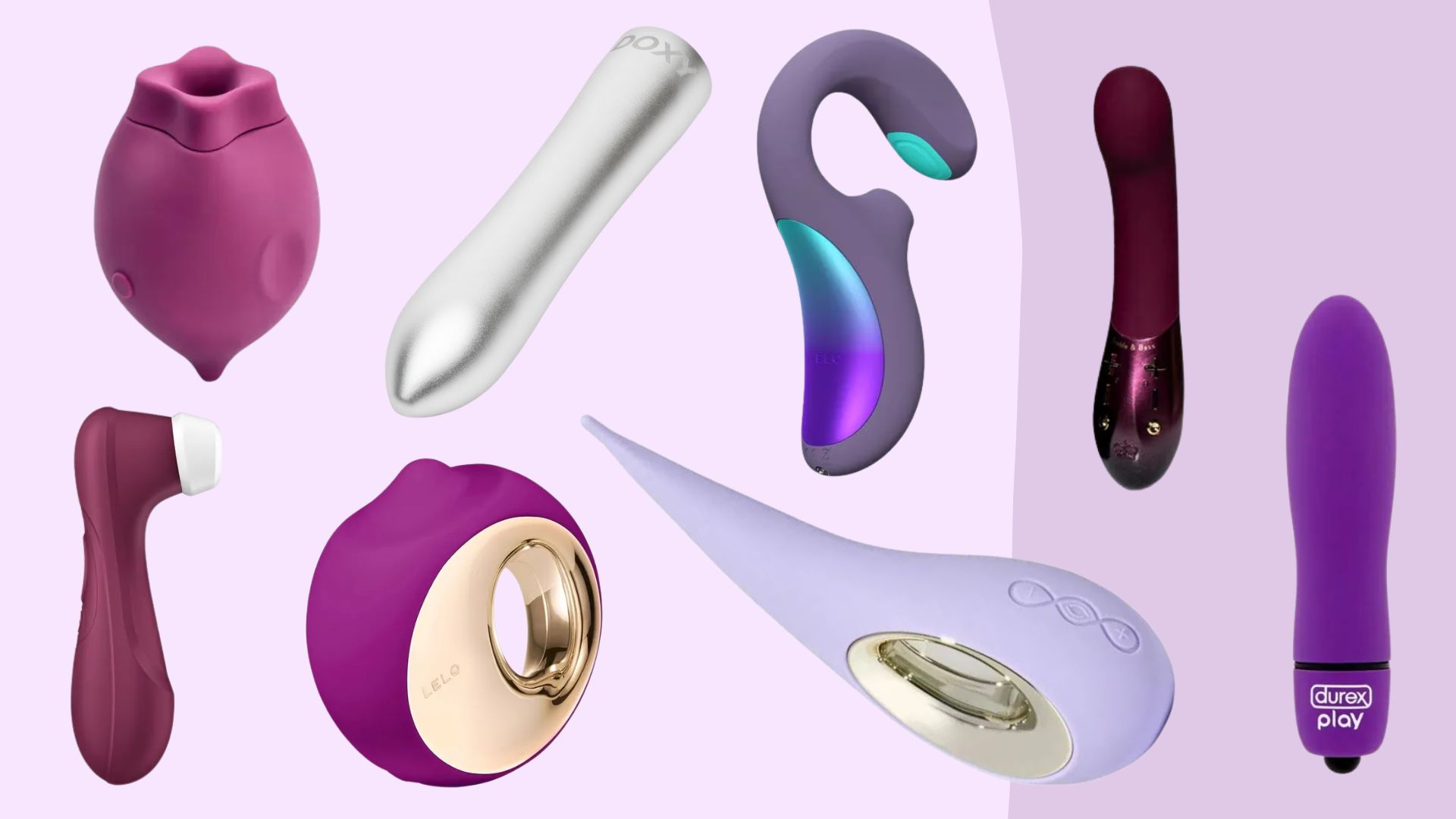
I didn’t always recommend them. Early in my career, I focused strictly on breathwork, grounding techniques, and manual interventions. But then I worked with a client recovering from long-term anxiety who couldn’t release pelvic tension no matter how many relaxation exercises we tried. She experimented with a low-intensity vibrator at home, and the shift she experienced was significant. She walked into her next session with noticeably softer posture and said, “For the first time in years, my body listened.” That experience reframed how I viewed these tools.
Since then, I’ve watched vibrators, wands, and other devices help clients reconnect with their bodies, interrupt stress loops, and find relief where words alone fell short.
Why Sex Toys Support Stress Relief
Stress often lives in places we don’t think about: the diaphragm, the hips, the pelvic floor. When a client tells me they feel “wired” or “disconnected,” I don’t just hear emotional overwhelm—I hear physiological dysregulation. Vibratory stimulation can activate pathways that promote relaxation, soften overactive muscles, and bring someone back into their body.
One patient last spring struggled with panic episodes that always began with pelvic tightness. She started using a soft bullet vibrator during grounding exercises, not for pleasure, but as a calming sensory anchor. Within weeks, her panic episodes lost intensity because she finally had a tool that interrupted her body’s escalation.
Another client recovering from burnout used a wand over her hips and lower abdomen in the evenings. She described it as “unwinding from the inside out” after days filled with meetings and caregiving responsibilities.
These tools are not replacements for therapeutic work—but they amplify it.
Toys That Meaningfully Support Relaxation and Stress Relief
Wand Vibrators for Deep Muscle Decompression
Wands deliver broad, steady vibration that reaches deeper layers of muscle than hands often can. Many of my clients use them on areas they didn’t realize held tension: inner thighs, glutes, lower abdomen.
A new mother I treated found her hips locked up from months of carrying her baby. Traditional stretching only irritated her. Using a wand on low intensity across her hip crease finally helped those muscles release. Only after that release could she meaningfully engage in the breathing and mobility techniques we practiced in-session.
Wands are powerful tools, but they don’t need to be used intensely. In fact, the gentlest setting often produces the calmest nervous-system response.
Bullet Vibrators for Grounding and Sensory Reset
Bullets are subtle but remarkably effective for clients who feel dissociated or overwhelmed. The compact size makes them less intimidating, especially for people new to sensory tools.
I worked with a college student who felt disconnected during stressful periods. She used a bullet vibrator against her wrist before bed to settle her thoughts. She told me the vibration gave her something consistent to focus on, allowing her breath to deepen naturally—something she hadn’t been able to force on her own.
I’ve also seen bullets help clients who struggle with pelvic-floor rigidity. The localized vibration can cue muscles to soften, similar to how we use tuning forks in somatic therapy, but far more accessible for home use.
Soft, Flexible Internal Vibrators for Muscle Release and Embodied Calm
Internal devices aren’t for everyone, but for individuals dealing with chronic pelvic tension, they can be transformative. I prioritize soft silicone, flexibility, and steady, low-level vibration—nothing rigid or overly patterned.
A client recovering from a medical procedure used a slim internal vibrator during guided relaxation sessions at home. She wasn’t seeking sexual arousal; she wanted to teach her body that penetration no longer meant discomfort or threat. Over several weeks, her pelvic floor stopped tightening reflexively, and she described feeling “more at ease in my own skin.”
These devices support not just relaxation but emotional safety, which is essential in somatic work.
Common Mistakes I Help Clients Move Past
People often assume stronger vibration equals better results. In my experience, high intensity can trigger the stress response instead of relaxing it. The nervous system benefits from consistency and softness more than raw power.
Others skip intention-setting. A vibrator used mindlessly rarely produces therapeutic relief. I encourage clients to begin with slow breathing and a sense of curiosity rather than rushing into sensation.
And, unsurprisingly, poorly made toys can ruin the experience. Cheap materials, uneven motors, or stiff seams can irritate tissue and create distrust in the process. I’ve seen clients abandon stress-relief routines simply because their first tool felt harsh or unpredictable.
How I Help People Choose
I start with one question: “Where does your stress live?” Some carry it in their pelvis, others in their hips, and others in their chest or thighs. The right tool depends on where the body holds tension and how much safety the person feels with sensation.
For deeper muscle tension, wands tend to be the most effective.
For emotional grounding, bullets provide gentle consistency.
For pelvic stress, flexible internal toys often support the most meaningful release.
Sex toys aren’t only about pleasure—they’re about reconnecting with sensation, regulating the nervous system, and giving the body a way to exhale after holding too much for too long. I’ve watched them help clients reclaim calm, comfort, and a sense of being present again, and that’s why I continue using them as part of my therapeutic work.
Dentures are an essential dental solution for many people who have lost their natural teeth. Whether due to aging, dental disease, or injury, missing teeth can impact both your oral health and self-confidence. Dentures help restore functionality and improve aesthetics, providing individuals with the ability to eat, speak, and smile with confidence. Understanding the different types of dentures, how they work, and how to care for them is crucial for maintaining oral health and comfort.
Dentures are removable replacements for missing teeth that are customized to fit an individual’s mouth. They come in two main types: full dentures and partial dentures. Full dentures are used when all of a patient’s natural teeth are missing, while partial dentures are designed for people who still have some natural teeth remaining. Both types of dentures are made from durable materials like acrylic resin, porcelain, or a combination of materials to create a natural-looking smile. The process of getting dentures typically involves multiple appointments with a dentist, including impressions, fittings, and adjustments to ensure they fit comfortably.
One of the primary reasons people opt for dentures is to regain the ability to chew and speak properly. Missing teeth can make it difficult to bite and chew food, and can also cause speech difficulties such as slurring or mumbling. Dentures help restore normal oral function by providing a stable, functional set of teeth. When fitted correctly, dentures allow individuals to eat a variety of foods without the discomfort of struggling with missing teeth. Furthermore, dentures can improve clarity in speech, making it easier to communicate effectively with others.
In addition to functionality, dentures also serve an important role in enhancing facial aesthetics. A person’s smile can change drastically when teeth are lost, causing the face to sag or appear sunken. Dentures fill the gaps left by missing teeth and help maintain the natural shape of the face. This restoration of facial structure can make individuals appear younger and more vibrant. With modern advancements in denture design, today’s dentures look more realistic than ever, making it difficult to tell the difference between natural teeth and their prosthetic counterparts.
Caring for dentures is essential to ensure their longevity and functionality. Like natural teeth, dentures need regular cleaning to prevent the buildup of plaque and bacteria. It’s important to remove dentures each night to allow the gums to rest and to clean them thoroughly before re-inserting them the next day. Dentures should be brushed with a soft-bristled toothbrush and non-abrasive denture cleaner, not regular toothpaste, which can damage the surface. Additionally, dentures should be soaked in a special solution overnight to keep them moist and prevent them from warping.
For individuals who are considering dentures, it’s important to consult with a dentist to determine the best option based on their specific needs. A dentist will assess factors such as the number of missing teeth, the health of remaining natural teeth, and the individual’s overall oral health to recommend the most suitable denture option. Some people may require additional treatments, such as tooth extractions or bone grafting, before dentures can be properly fitted.
The process of getting dentures can take several weeks, as it involves several steps, including the creation of impressions, the fitting of temporary dentures, and the final fitting of the permanent dentures. During this time, individuals may experience some discomfort as their mouth adjusts to the new appliance. It’s also common for dentures to require periodic adjustments, especially in the first few months after they are first worn, as the gums and bone structure can change over time. Regular dental check-ups are important to ensure that the dentures continue to fit well and are not causing any irritation or discomfort.
While dentures can significantly improve the quality of life for individuals with missing teeth, it’s important to note that they do require ongoing care and attention. Regular cleaning, proper maintenance, and adjustments are essential to prevent issues such as discomfort, infections, or poor fit. Additionally, as dentures are not permanent, they may need to be replaced or relined after several years of use, depending on the condition of the individual’s mouth and the dentures themselves.
Another consideration when it comes to dentures is the adjustment period. Initially, individuals may experience difficulty speaking or eating with their new dentures. This is normal, as the mouth and jaw need time to adapt to the presence of the dentures. It’s important to follow the dentist’s instructions carefully during this period, as the dentist may recommend practicing with soft foods or specific exercises to help improve comfort and coordination. Patience and practice are key, as most people eventually become accustomed to their dentures and regain full confidence in their ability to speak and eat.
While traditional dentures remain a popular choice, advances in dental technology have led to the development of implant-supported dentures. These dentures are anchored to dental implants, which are small titanium posts surgically placed into the jawbone. Implant-supported dentures provide added stability and prevent the shifting that can sometimes occur with traditional dentures. They also offer better retention and comfort, as they do not rely on adhesive gels or clasps to stay in place. For individuals with sufficient jawbone density, implant-supported dentures can be an excellent alternative to traditional dentures.
In conclusion, dentures are a vital solution for individuals with missing teeth, providing a functional and aesthetic restoration of the smile. They improve chewing, speaking, and confidence, all while offering a cost-effective and non-invasive treatment for tooth loss. With proper care and maintenance, dentures can last for many years, ensuring that individuals continue to enjoy a high quality of life. Whether you choose traditional dentures or the more advanced implant-supported option, a consultation with a dentist will help you determine the best choice for your unique needs.
When it comes to choosing the right Medicare plan, navigating the options can be overwhelming. With so many choices available, it's important to partner with experts who understand the complexities of healthcare coverage for seniors. Medicare plans at LJM Health & Medicare Plans stands out as a trusted resource for individuals seeking comprehensive Medicare solutions. Their team of professionals is dedicated to guiding you through the process, ensuring you select the best plan for your needs, budget, and lifestyle. In this article, we will explore the various Medicare plans offered by LJM Health & Medicare Plans and how they can benefit you.
Medicare is a federally funded program that provides healthcare coverage for people aged 65 and older, as well as certain younger individuals with disabilities. The program is divided into four main parts: Part A, Part B, Part C, and Part D. Each part offers different types of coverage, and it is important to understand how these parts work together to ensure you have the care you need. LJM Health & Medicare Plans is committed to helping beneficiaries choose the most appropriate coverage based on their specific health requirements.
Understanding the Different Medicare Parts
Part A, often referred to as "Hospital Insurance," covers inpatient hospital stays, skilled nursing facility care, hospice care, and some home healthcare services. Most people do not pay a monthly premium for Part A if they or their spouse paid Medicare taxes while working. Part B, or "Medical Insurance," covers outpatient care, doctor visits, preventive services, and medically necessary services. Part B typically requires a monthly premium, which varies depending on income.
Part C, also known as Medicare Advantage, is a private insurance plan that combines coverage from Parts A and B, and often includes additional benefits such as prescription drug coverage (Part D), dental, vision, and hearing services. Part D, on the other hand, provides prescription drug coverage. Medicare Advantage plans offer an alternative to Original Medicare and can be a good option for beneficiaries who want more comprehensive coverage under one plan.
LJM Health & Medicare Plans offers personalized assistance in helping you understand these different parts and how they apply to your unique situation. Whether you're looking for basic hospital and medical coverage or comprehensive care that includes prescription drugs and additional services, their team can help guide you to the plan that fits your needs.
Medicare Advantage Plans at LJM Health & Medicare Plans
One of the most popular options for Medicare beneficiaries is Medicare Advantage (Part C). These plans are offered by private insurance companies that contract with Medicare to provide the same coverage as Original Medicare (Part A and Part B) but often with added benefits. Many Medicare Advantage plans also include prescription drug coverage (Part D), as well as coverage for services like dental, vision, and hearing, which are not typically covered by Original Medicare.
LJM Health & Medicare Plans specializes in providing access to a wide range of Medicare Advantage options, allowing you to compare plans from different carriers. Their agents can help you evaluate the pros and cons of each plan, considering factors such as network restrictions, out-of-pocket costs, and additional benefits. With their assistance, you can make an informed decision on which Medicare Advantage plan will best meet your healthcare needs.
In addition to helping you choose the right Medicare Advantage plan, LJM Health & Medicare Plans ensures that you understand the coverage details, including prescription drug formularies, deductibles, and copayments. They are committed to simplifying the enrollment process and ensuring that you have access to the care you need when you need it.
Prescription Drug Coverage (Part D) with LJM Health & Medicare Plans
Prescription drug coverage is an essential aspect of Medicare, and it is important to ensure that your plan provides the medications you need at an affordable cost. Medicare Part D is the program's prescription drug benefit, which helps cover the cost of prescription medications. This coverage can be added to Original Medicare or included in a Medicare Advantage plan. However, finding the right Part D plan can be tricky, as not all plans cover the same medications, and formularies can change from year to year.
LJM Health & Medicare Plans offers expert advice on selecting a Part D plan that provides the right level of coverage for your prescriptions. Their knowledgeable team can help you navigate the complex formulary details and ensure that the medications you take are covered under your chosen plan. Whether you're looking for a standalone Part D plan or a Medicare Advantage plan with integrated prescription drug coverage, LJM Health & Medicare Plans is here to help.
By comparing multiple plans and reviewing each one’s drug formulary, copayments, and coverage limits, LJM Health & Medicare Plans ensures that you don’t end up paying more for medications than necessary. They are committed to helping you understand the best way to save on prescriptions and ensure that you have access to affordable medication as part of your overall healthcare strategy.
Additional Benefits and Services Offered by LJM Health & Medicare Plans
In addition to the core Medicare coverage, many Medicare Advantage plans offer extra benefits that can significantly improve your quality of life. These benefits may include dental care, vision services, hearing aids, wellness programs, and even gym memberships. LJM Health & Medicare Plans can help you explore these additional offerings, allowing you to find a plan that aligns with your specific healthcare needs.
Whether you are interested in dental and vision care or looking for a Medicare Advantage plan that includes fitness benefits, LJM Health & Medicare Plans can help you explore all of your options. Their personalized approach means that you can work with a team of experts who understand the nuances of the healthcare system and will prioritize your health and well-being.
In conclusion, Medicare plans are essential for seniors seeking affordable and comprehensive healthcare coverage. LJM Health & Medicare Plans offers a range of options, from Original Medicare to Medicare Advantage plans and Part D prescription drug coverage. Their team of experts is dedicated to helping you navigate the complex world of Medicare, ensuring that you make the best decisions for your healthcare needs. By providing personalized guidance and comparing available plans, LJM Health & Medicare Plans ensures that you are equipped with the right information to secure the coverage that works best for you.
Branched-Chain Amino Acids, commonly referred to as BCAAs, have garnered significant attention in the fitness and nutrition community. These essential amino acids—leucine, isoleucine, and valine—play a pivotal role in muscle growth, recovery, and overall athletic performance. For those looking to optimize their training and enhance recovery, understanding the benefits of bcaa is crucial.
BCAAs are unique among amino acids because they are primarily metabolized in the muscle rather than the liver. This characteristic allows them to provide quick energy during intense workouts and aid in muscle repair afterward. When consumed, BCAAs can stimulate protein synthesis, helping to build and repair muscle tissue. This makes them particularly beneficial for athletes and bodybuilders who engage in rigorous training sessions. The inclusion of BCAAs in a diet can lead to improved exercise performance and reduced muscle soreness, making them an appealing supplement for fitness enthusiasts.
One of the most significant benefits of BCAAs is their ability to reduce muscle soreness and fatigue during workouts. Research suggests that BCAA supplementation can lower the levels of creatine kinase and lactate dehydrogenase, two markers of muscle damage. By minimizing muscle damage, BCAAs can enhance recovery time, allowing individuals to train more frequently and with greater intensity. This is especially valuable for athletes who have tight training schedules and cannot afford extended recovery periods.
In addition to their recovery benefits, BCAAs also play a vital role in promoting fat loss and preserving lean muscle mass. During calorie-restricted diets, the body may break down muscle tissue for energy. However, BCAAs can help mitigate this effect by providing the necessary amino acids to maintain muscle integrity. Studies have shown that individuals who supplement with BCAAs while following a weight loss regimen experience better retention of lean muscle compared to those who do not. This is essential for anyone looking to achieve a toned physique without sacrificing strength.
BCAAs can also enhance overall workout performance by providing an additional energy source during prolonged exercise. When glycogen stores are depleted, the body can turn to BCAAs for energy, thereby delaying fatigue. This is particularly beneficial for endurance athletes who engage in long-duration activities. By incorporating BCAAs into their nutrition plan, athletes can potentially improve their endurance and performance, allowing them to push their limits further.
While BCAAs can be obtained through dietary sources, such as meat, dairy, and eggs, supplementation can provide a convenient and concentrated source. BCAA supplements are available in various forms, including powders, capsules, and ready-to-drink beverages. For those who struggle to meet their BCAA requirements through food alone, supplementation can be an effective way to ensure adequate intake. It's important, however, to choose high-quality products from reputable brands to maximize the benefits.
When considering BCAA supplementation, timing can also play a significant role in their effectiveness. Many athletes find that consuming BCAAs before or during a workout can help reduce fatigue and improve endurance. Additionally, taking BCAAs post-workout can enhance recovery and muscle repair. The optimal dosage varies depending on individual needs, training intensity, and goals, but most studies suggest a range of 5 to 10 grams per serving.
Despite the benefits, it's essential to approach BCAA supplementation with a balanced perspective. While BCAAs can enhance performance and recovery, they should not replace a well-rounded diet rich in whole foods. It's crucial to prioritize complete protein sources that provide all essential amino acids, as BCAAs alone cannot fulfill the body's overall amino acid requirements. For optimal results, BCAAs should complement a healthy diet and lifestyle rather than serve as a standalone solution.
In conclusion, BCAAs are a valuable addition to the nutrition regimen of anyone serious about fitness. Their role in muscle recovery, fat loss, and performance enhancement makes them a popular choice among athletes and bodybuilders alike. As with any supplement, understanding how to effectively incorporate BCAAs into your routine is key to maximizing their benefits. Whether you’re looking to build muscle, improve endurance, or simply recover faster, BCAAs can play a significant role in helping you achieve your fitness goals. As always, consult with a healthcare professional or a registered dietitian before starting any new supplement to ensure it aligns with your individual needs and health conditions.
If you live in Virginia and are registered in Medicare Components A and B, after that you could intend to take into consideration signing up in a Medicare Supplement strategy. These plans function alongside Initial Medicare to help spend for copayments, deductibles and other out-of-pocket expenditures. Additionally, these strategies likewise provide added coverage like international travel emergency situation treatment and Part B excess costs. There are ten different Medicare Supplement plans offered in Virginia. Each strategy is marked by a letter and its benefits are standardized nationwide. This means that your benefits will certainly equal no matter which insurance provider you choose to purchase your policy from.
In Virginia, the most popular Medicare Supplement plans consist of Plan F, Plan G and Strategy N. Plan F is the most thorough of all the offered Medicare Supplement plans and it covers your Part A coinsurance, Medicare Part B coinsurance and the annual Component B insurance deductible. It does not, nevertheless, cover any prescription drug expenses you might have.
The Plan F costs prices in Virginia are somewhat less than the national standard and for a non-smoking 65-year-old female, you will generally pay $184 per year for a Plan F policy. Plan G deals comparable coverage and is also offered with a $0 deductible alternative. Its premium rate is $192 each year for a male non-smoker. Plan N is another prominent option for its reduced costs and great protection degrees, specifically because it pays your Component B coinsurance after you satisfy the yearly insurance deductible. It does not, nonetheless, give coverage for doctor excess fees and you will certainly be accountable for these added fees if your medical professional doesn't agree to Medicare's assignment.
Medigap strategies are offered by personal insurance coverage service providers and are created to aid you pay for out-of-pocket healthcare costs not covered by your Initial Medicare plan. These costs can rapidly build up and a Medicare Supplement plan can assist you save cash on these prices. These policies are only available to those signed up in Medicare Parts A and B and they can be bought from insurance coverage providers throughout the nation.
When you are shopping for a Medicare Supplement plan in Virginia Virginia Medigap Insurance, you ought to take into consideration how the company is rated by its consumers and its reputation. You will certainly wish to look for a strategy with a company that has an exceptional customer care ranking and has couple of problems.
You will certainly additionally wish to think about the cost of your regular monthly costs. The majority of Medicare Supplement strategies are area rated which suggests your premium will not boost by a specific percent based on your age. Instead, it will only boost due to inflation or other elements.
If you are seeking the most affordable Medicare Supplement plan in Virginia, after that look no further than Mutual of Omaha. Their Plan G rates are 14% lower than the state standard and they have a really reduced variety of customer problems. Medico, on the various other hand, sells a really budget-friendly Strategy N in Virginia and they have an outstanding client service ranking.