
As a somatic therapist, I spend much of my time helping people understand how their bodies store stress—shoulders sitting too high, breath held too long, pelvic muscles gripping without permission. I’ve learned that relaxation doesn’t always come from stillness; sometimes it comes from sensation that gently interrupts the cycle of tension. That’s where Sex toys for stress relief and relaxation, surprisingly to some, become incredibly useful.
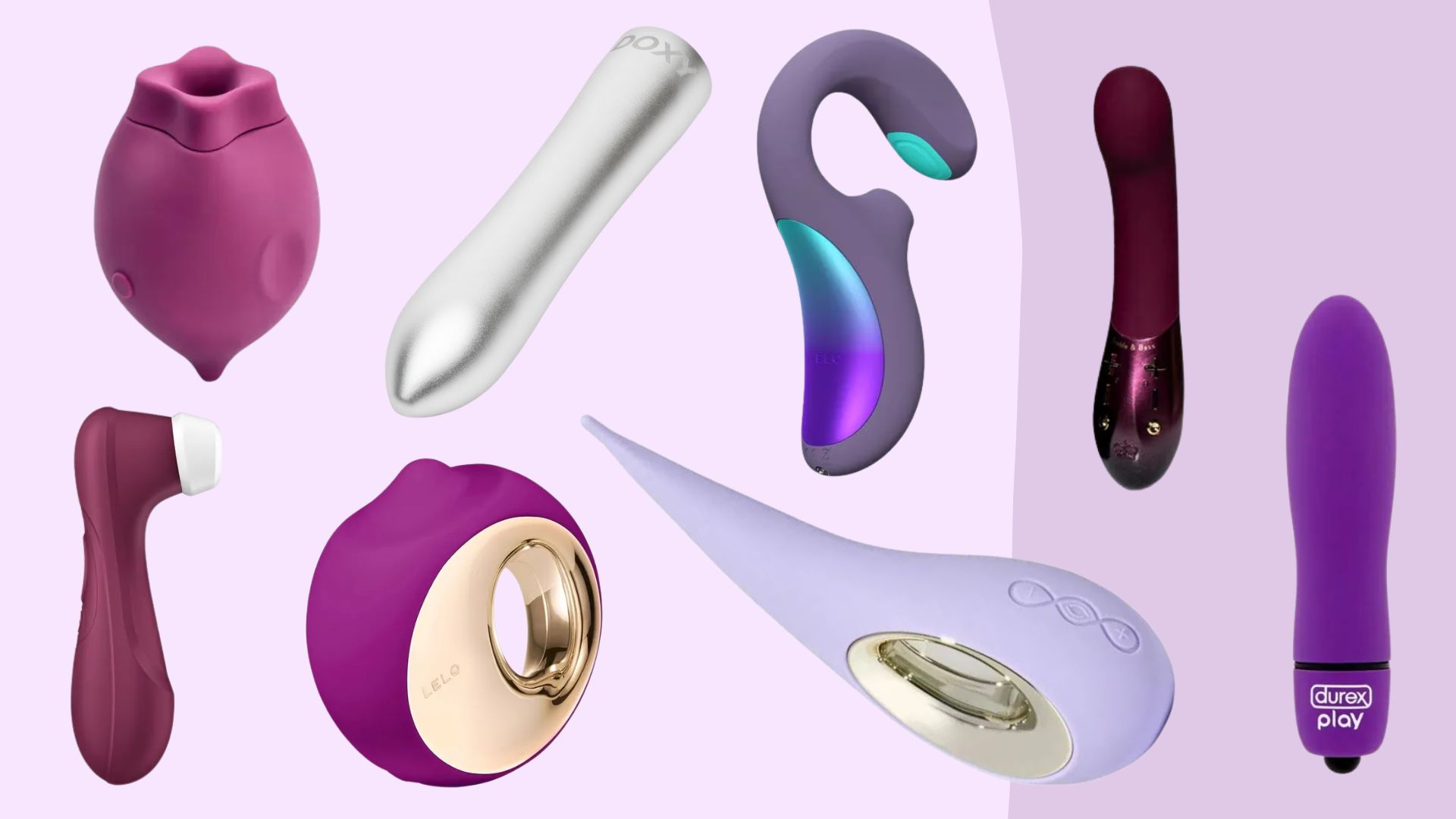
I didn’t always recommend them. Early in my career, I focused strictly on breathwork, grounding techniques, and manual interventions. But then I worked with a client recovering from long-term anxiety who couldn’t release pelvic tension no matter how many relaxation exercises we tried. She experimented with a low-intensity vibrator at home, and the shift she experienced was significant. She walked into her next session with noticeably softer posture and said, “For the first time in years, my body listened.” That experience reframed how I viewed these tools.
Since then, I’ve watched vibrators, wands, and other devices help clients reconnect with their bodies, interrupt stress loops, and find relief where words alone fell short.
Why Sex Toys Support Stress Relief
Stress often lives in places we don’t think about: the diaphragm, the hips, the pelvic floor. When a client tells me they feel “wired” or “disconnected,” I don’t just hear emotional overwhelm—I hear physiological dysregulation. Vibratory stimulation can activate pathways that promote relaxation, soften overactive muscles, and bring someone back into their body.
One patient last spring struggled with panic episodes that always began with pelvic tightness. She started using a soft bullet vibrator during grounding exercises, not for pleasure, but as a calming sensory anchor. Within weeks, her panic episodes lost intensity because she finally had a tool that interrupted her body’s escalation.
Another client recovering from burnout used a wand over her hips and lower abdomen in the evenings. She described it as “unwinding from the inside out” after days filled with meetings and caregiving responsibilities.
These tools are not replacements for therapeutic work—but they amplify it.
Toys That Meaningfully Support Relaxation and Stress Relief
Wand Vibrators for Deep Muscle Decompression
Wands deliver broad, steady vibration that reaches deeper layers of muscle than hands often can. Many of my clients use them on areas they didn’t realize held tension: inner thighs, glutes, lower abdomen.
A new mother I treated found her hips locked up from months of carrying her baby. Traditional stretching only irritated her. Using a wand on low intensity across her hip crease finally helped those muscles release. Only after that release could she meaningfully engage in the breathing and mobility techniques we practiced in-session.
Wands are powerful tools, but they don’t need to be used intensely. In fact, the gentlest setting often produces the calmest nervous-system response.
Bullet Vibrators for Grounding and Sensory Reset
Bullets are subtle but remarkably effective for clients who feel dissociated or overwhelmed. The compact size makes them less intimidating, especially for people new to sensory tools.
I worked with a college student who felt disconnected during stressful periods. She used a bullet vibrator against her wrist before bed to settle her thoughts. She told me the vibration gave her something consistent to focus on, allowing her breath to deepen naturally—something she hadn’t been able to force on her own.
I’ve also seen bullets help clients who struggle with pelvic-floor rigidity. The localized vibration can cue muscles to soften, similar to how we use tuning forks in somatic therapy, but far more accessible for home use.
Soft, Flexible Internal Vibrators for Muscle Release and Embodied Calm
Internal devices aren’t for everyone, but for individuals dealing with chronic pelvic tension, they can be transformative. I prioritize soft silicone, flexibility, and steady, low-level vibration—nothing rigid or overly patterned.
A client recovering from a medical procedure used a slim internal vibrator during guided relaxation sessions at home. She wasn’t seeking sexual arousal; she wanted to teach her body that penetration no longer meant discomfort or threat. Over several weeks, her pelvic floor stopped tightening reflexively, and she described feeling “more at ease in my own skin.”
These devices support not just relaxation but emotional safety, which is essential in somatic work.
Common Mistakes I Help Clients Move Past
People often assume stronger vibration equals better results. In my experience, high intensity can trigger the stress response instead of relaxing it. The nervous system benefits from consistency and softness more than raw power.
Others skip intention-setting. A vibrator used mindlessly rarely produces therapeutic relief. I encourage clients to begin with slow breathing and a sense of curiosity rather than rushing into sensation.
And, unsurprisingly, poorly made toys can ruin the experience. Cheap materials, uneven motors, or stiff seams can irritate tissue and create distrust in the process. I’ve seen clients abandon stress-relief routines simply because their first tool felt harsh or unpredictable.
How I Help People Choose
I start with one question: “Where does your stress live?” Some carry it in their pelvis, others in their hips, and others in their chest or thighs. The right tool depends on where the body holds tension and how much safety the person feels with sensation.
For deeper muscle tension, wands tend to be the most effective.
For emotional grounding, bullets provide gentle consistency.
For pelvic stress, flexible internal toys often support the most meaningful release.
Sex toys aren’t only about pleasure—they’re about reconnecting with sensation, regulating the nervous system, and giving the body a way to exhale after holding too much for too long. I’ve watched them help clients reclaim calm, comfort, and a sense of being present again, and that’s why I continue using them as part of my therapeutic work.